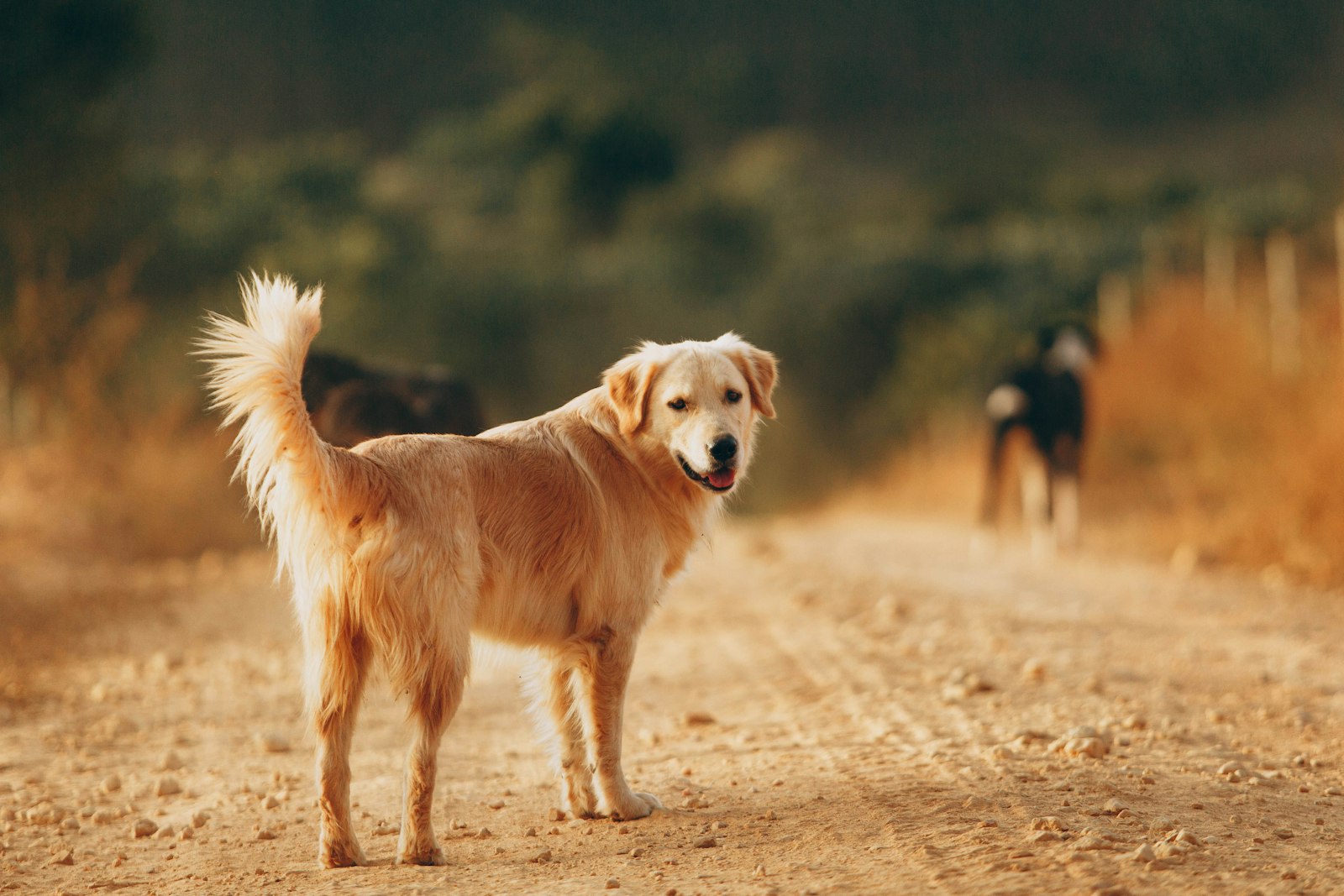
When Dogs Become Daycare Celebrities and Staff Favorites, and What That Really Means
Some dogs walk into daycare and somehow become little legends. Staff know their routines by heart. Other owners hear about them at pickup. Their photos seem to pop up often. They become known as the dog who always carries a toy, always greets the front desk, always does the same funny spin before nap time, or always claims the sunniest patch of yard.
It is natural for owners to wonder what that really means.
Does a “staff favorite” mean a dog is unusually well behaved? Does a “daycare celebrity” mean that dog is better than everyone else? And if your own dog is quieter, older, more selective, or simply less flashy, does that mean they are less liked or less successful in daycare?
Usually, no.
In a well-run daycare, those labels are not really about ranking dogs. They are more about familiarity. The dogs who become memorable are often the ones who are easy to read, steady in their routines, socially clear, and a little funny in ways that brighten the day. That does not make them the “best” dogs. It just makes them easy to know.
That distinction matters, especially when you are evaluating dog daycare in Livermore and trying to understand what good care looks like behind the scenes.
What people usually mean by a daycare “celebrity”
When daycare staff affectionately call a dog a celebrity, they usually are not making a serious status judgment. Most of the time, they mean the dog has a recognizable presence.
Maybe that dog trots in each morning like they own the lobby. Maybe they greet the same handler first, carry the same slobbery ball all day, or make everyone laugh with a dramatic flop onto the floor after ten minutes of play. Some dogs stand out because they are socially gifted. Others are memorable because they are wonderfully odd.
The common thread is not perfection. It is readability.
Staff tend to remember dogs whose behavior patterns are consistent and easy to understand. A dog who signals clearly, settles back down after excitement, and moves through familiar routines without much confusion often leaves a strong impression. That kind of dog can make the day feel smoother for the people caring for them.
So when a dog becomes a daycare “celebrity,” what that often really means is simple: we know this dog well, and this dog tends to do well here.
Why some dogs become staff favorites
The phrase “staff favorite” can sound unfair until you look at how people in dog care usually mean it. In most cases, it does not mean a dog gets better care, fewer rules, or special treatment that affects safety. It usually means the dog has qualities that make day-to-day handling enjoyable.
Those qualities are often practical, not glamorous.
- Predictable in group play
- Friendly without being overwhelming
- Resilient when the environment gets busy
- Easy to redirect
- Comfortable with transitions
- Expressive in funny, harmless ways
- Able to settle after excitement
Dogs like this tend to feel rewarding to work with because they communicate clearly and respond well to structure. Staff do not have to guess as much about what is happening. The dog is not creating social chaos, and they are not falling apart every time the room gets louder or the group changes.
There is also a simple human factor. People who work with dogs all day are going to notice personality. One dog may be the clown. Another may be the sweet older dog who checks in quietly. Another may be the confident social butterfly who helps new regulars feel comfortable. It is normal for staff to feel fond of those traits.
What matters is whether that fondness changes the quality of care. In a reputable daycare, it should not.
What usually makes a dog memorable in a good way
Many owners assume the most memorable daycare dogs are the wild extroverts. Sometimes that is true, but not always. More often, the dogs staff remember most fondly have a mix of sociability and emotional steadiness.
Predictability is a big one. If a dog tends to respond the same way in familiar situations, staff can support that dog well. Predictable dogs are easier to group, easier to redirect, and easier to keep comfortable.
Sociability helps too, but daycare-friendly sociability is often quieter than people expect. It does not have to mean nonstop wrestling or frantic enthusiasm. Sometimes it looks like loose body language, polite interest, and a willingness to engage without turning every interaction into a production.
Resilience matters as well. Daycare can be stimulating. Dogs hear barking, move through gates, adjust to arrivals and departures, and interact with different play styles. Dogs who can absorb a little commotion without spiraling often stand out in a positive way.
Then there are the routines. Staff remember dogs with rituals. The one who always grabs the same toy. The one who does a happy bounce at check-in. The one who heads to the water bowl first. The one who loves a certain cot, shade patch, or handler. Those quirks create affection because they make the dog feel familiar and known.
Being memorable is not the same as being the “best dog”
This is the part many owners need to hear most.
The dog who gets talked about the most is not automatically the best dog in the building. They may simply be the easiest dog for that particular environment to read and enjoy.
A shy dog may be deeply lovely and still never become a daycare celebrity. A senior dog may prefer a quieter routine and be an absolute delight without drawing much attention. A selective dog may need smaller groups, slower introductions, and more personal space. None of that makes them less worthy. None of it makes them a lesser daycare dog.
Some of the best-managed dogs in daycare are not flashy at all. They just move through the day calmly.
Good daycare staff understand that quieter dogs, serious dogs, older dogs, and dogs with lower social needs deserve the same respect as the obvious charmers. The goal is not to reward the biggest personality. The goal is to understand who each dog is and what kind of day suits them.
What professional daycare staff should do about their favorites
It is healthy for staff to enjoy individual dogs. It would be strange if they did not. But professional care means affection cannot turn into bias.
A trustworthy daycare should still hold every dog to the same behavioral standards. A popular dog should be redirected when they are rude. A funny dog should still get breaks if they are getting over-aroused. An easy social dog should not be pushed too hard just because they make group play look effortless.
This is where good daycare separates warmth from favoritism.
Warmth means staff know the dogs well, smile at their quirks, and genuinely enjoy them. Harmful favoritism would mean letting one dog get away with behavior that would not be acceptable from another, missing stress signals because the dog is beloved, or giving one dog more thoughtful management than the rest.
That is not good care.
The best daycare teams are affectionate and observant at the same time. They may adore a dog and still notice when that dog needs rest, a different group, a shorter day, or more structure.
What this means for owners
If your dog becomes one of those memorable daycare regulars, that is usually a nice sign. It often means your dog has settled into the environment, built positive relationships, and developed patterns the staff can read easily.
If your dog does not become a social star, that is fine too.
Success in daycare should not be measured by popularity. It should be measured by whether your dog seems comfortable, safe, and emotionally well matched to the routine. A successful daycare dog may come home pleasantly tired, recover normally, stay eager for future visits, and remain behaviorally steady overall. That matters much more than whether they are the dog everyone talks about at pickup.
For Livermore owners, that is a useful lens when touring facilities or talking with staff. Listen for signs that they notice individuality. Do they describe dogs as distinct personalities with different needs? Can they explain who thrives in open play, who needs more support, and how they adjust the day for different dogs? Or do they mostly speak in broad, sales-friendly generalities?
That is the real trust-builder.
A good daycare does not just celebrate the obvious charmers. It learns the bouncy ones, the quiet ones, the older ones, the sensitive ones, and the dogs who prefer a smaller social circle. The little celebrity dogs may get the stories, but the quality of the daycare shows up in how it cares for everyone else too.
In the end, when a dog becomes a staff favorite, it usually means they are familiar, readable, and enjoyable to know. That can be a lovely thing. But the deeper sign of a reputable daycare is not that it has favorite dogs. It is that every dog, favorite or not, is treated like an individual.