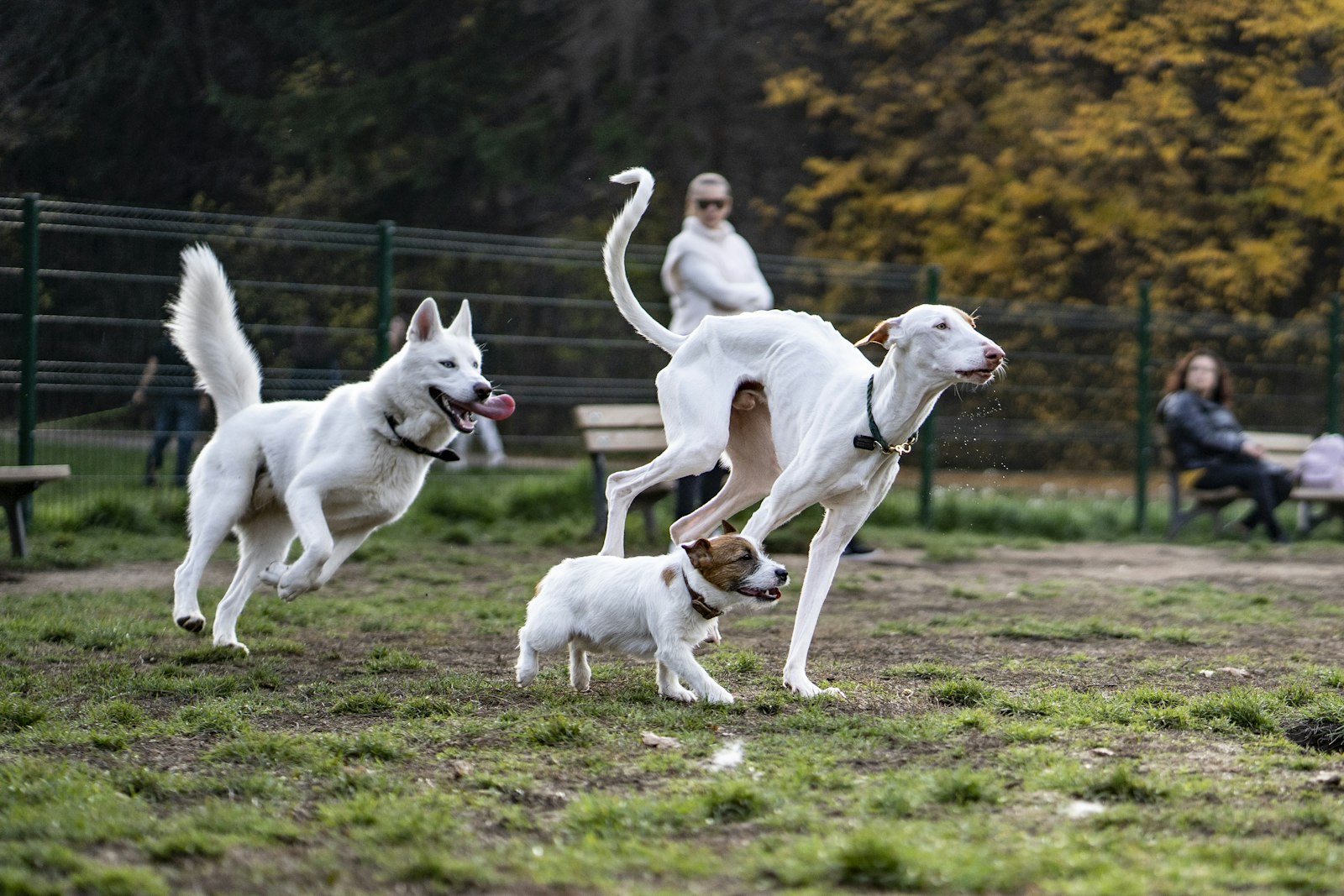
What Staff-to-Dog Ratio Should a Reputable Dog Daycare Have?
If you are comparing dog daycare options, one of the smartest questions you can ask is also one of the hardest to answer with a single number: what should the staff-to-dog ratio actually be?
Many owners want a clean benchmark, something like one staff member for every 10 dogs or every 15 dogs. That is understandable. A ratio feels concrete, easy to compare, and easy to remember.
But a good daycare is not defined by one number alone.
A reputable dog daycare should have enough trained staff to supervise dogs actively, step in early, manage transitions safely, and adjust the group when the dogs in front of them need something different. In some playgroups, that means a lower number of dogs per handler. In others, a somewhat higher ratio may still be reasonable if the dogs are well matched, the space is set up well, and the staff are truly engaged.
So the better question is not just, “What is your ratio?” It is, “How do you supervise dogs in real life, and is that level of supervision right for this group?”
Why staff-to-dog ratio matters
Dog daycare is a social environment that has to be managed well. Dogs are playing, resting, greeting, avoiding pressure, getting excited, and sometimes getting overwhelmed. Good staff notice those changes early, before they turn into conflict or stress.
When a ratio is too high for the group, problems can build quietly. Staff may miss subtle body language. Rough play may go on too long. One intense dog may take over the room. A shy dog may get chased, crowded, or worn down. Drop-offs, pickups, gate changes, and rest-time transitions can also get messy when staff are stretched too thin.
That does not always lead to a dramatic incident. Sometimes it shows up in smaller ways, like a dog coming home exhausted, cranky, overstimulated, or less enthusiastic about returning.
A sound staff-to-dog ratio supports more than safety. It also supports calmer handling, better decisions, and a more thoughtful experience for each dog.
Why there is no single perfect number
This is where many owners get misled. A daycare may advertise a ratio that sounds reassuring, but numbers without context do not tell you much by themselves.
A group of eight calm, well-matched adult dogs is very different from a group of 15 adolescent dogs with high energy and uneven social skills. The second group may need much tighter supervision, even if the advertised ratio sounds acceptable on paper.
Several things affect what a safe and reasonable ratio looks like:
- Dog temperament and play style: calm, social dogs are generally easier to supervise than dogs who are intense, reactive, inexperienced, or easily over-aroused.
- Age and maturity: puppies and adolescents often need more redirection, more structure, and quicker intervention.
- Group mix: size differences, unstable groupings, and mismatched energy levels raise the level of difficulty.
- Layout of the space: blind corners, tight rooms, awkward gates, and poor barriers make active supervision harder.
- Daily routine: daycare programs with rest breaks, rotations, and smaller managed groups are often easier to supervise well than all-day open play.
- Staff training and experience: a ratio only means something if the people in the room can read dog body language and respond well.
That is why a responsible daycare should be careful about giving an overly simple answer. If a facility treats one universal number as proof of quality in every situation, it is worth asking deeper questions.
What to listen for when you ask about ratio
How a daycare answers the ratio question often tells you more than the number itself.
A thoughtful answer usually includes their typical range, how they group dogs, when they reduce group size, when they add extra staff, and what they do for dogs who need more support. That kind of answer suggests the team is thinking about supervision as an active process, not a marketing line.
A weak answer often sounds polished but thin. You may hear the same number repeated without much explanation of how the day actually works.
What you really want to know is whether the daycare practices active supervision.
Active supervision means staff are not just present in the room. They are watching body language, interrupting play before it tips into conflict, helping dogs settle, managing space, and making decisions throughout the day. That is very different from one employee standing in the corner while a large group of dogs works things out on its own.
Advertised ratio vs. real supervision
This is one of the most important distinctions for dog owners to understand.
Some daycares advertise a staff-to-dog ratio that sounds reassuring, but that number may not reflect what your dog experiences minute to minute. The stated ratio may include staff who are elsewhere in the building, not directly supervising the playgroup.
When you tour or call, ask questions like these:
- Is that ratio for each active playgroup, or for the whole facility?
- Are the staff counted in that ratio physically inside the dog area?
- Do they stay with the group continuously?
- What happens during cleaning, staff breaks, drop-off rushes, or pickups?
- Are dogs ever left with one person managing too many personalities at once?
These questions matter because transitions are often where mistakes happen. Moving dogs between spaces, opening gates, bringing dogs out of rest areas, and handling pickups all require attention and good timing. A daycare can sound well staffed in theory and still be stretched thin during the parts of the day that need the most skill.
Signs the ratio may be too high for the setting
There is no one cutoff that applies to every daycare. Still, some red flags suggest the ratio is too high for the environment or the group is not being managed well enough.
One is chaotic energy. If the room feels loud, frantic, and constantly escalated, there may be too many dogs for the available supervision, or too little structure for that mix of dogs.
Another is staff who seem reactive instead of proactive. If handlers spend the whole time scrambling to stop problems that have already started, they may not have enough bandwidth to guide the group well.
It is also worth watching for dogs clustering at gates, pestering one dog over and over, or bouncing from one interaction to another without any real decompression. Those patterns can mean the room is not being read closely enough.
Other warning signs include:
- too many dogs packed into one space
- obvious mismatch in size or play intensity
- little or no meaningful rest time
- vague answers about how dogs are grouped
- staff who cannot explain what they do when a dog is stressed
- constant barking and frantic motion with very little calm redirection
- a tour that looks more like crowd control than thoughtful supervision
A good daycare does not need to feel silent or stiff. Dogs should get to play and move naturally. But the overall environment should still feel organized, readable, and under control.
What a well-run daycare should be able to explain
If you are visiting dog daycare options in Livermore, or anywhere else, a trustworthy facility should be able to answer practical supervision questions without getting defensive.
They should be able to explain:
- how dogs are evaluated before joining group play
- how they separate dogs by size, temperament, or play style
- when they lower group size or add more staff
- how they handle rest breaks and overstimulation
- what staff are trained to watch for in dog body language
- what happens when a dog is not doing well in the group
Those answers usually tell you more than a headline ratio ever will.
For busy Livermore owners balancing work, commuting, and family life, daycare can be a real help. But convenience should not be the main standard. The better test is whether the daycare seems honest, behavior-aware, and staffed well enough to notice your dog as an individual.
The best question to ask
If you ask only one follow-up question, make it this: “How do you decide when a group has too many dogs for the staff supervising it?”
That question gets past the sales script. A strong daycare will usually talk about behavior, arousal, compatibility, room setup, and how the dogs are doing that day. A weaker daycare may just repeat the same number.
That is really the heart of it. Reputable daycare is not about squeezing in the highest dog count one employee can technically oversee. It is about creating a setting where dogs can stay safe, comfortable, and well managed throughout the day.
The right staff-to-dog ratio is the one that allows for real supervision, early intervention, calm structure, and honest attention to the dogs in that specific group. If a daycare can explain that clearly, and what you see on a tour matches what they say, that is a very good sign.